





LED lights

Light-emitting diodes (LEDs) contain solid semi-conductor materials that convert electrical impulses into light through a process of electroluminescence. LEDs may include fluorescent materials that alter the colour of the light.
LED lights are packaged arrays of light emitting diodes that create uniform and bright light. They have high electrical efficacy, good reliability, and long lifespan. This results in energy savings, lower maintenance costs, and good environmental performance.
An LED light fixture will typically use 90% less electricity than an equivalent incandescent fixture. They have a similar efficiency to compact fluorescent lamps (CFLs) but are longer lasting. A good quality LED light can have a useful life of 25,000 hours or more. This is more than 25 times longer than traditional light bulbs. LEDs also lack filaments or glass enclosures, making them more durable than traditional alternatives.
Wall washing, cove lighting, backlighting, in ground lighting, and speciality lighting are the prime applications for LED products. The global LED lighting market was valued at approximately USD 20.0 billion in 2014. The market is dominated by Europe, which accounted for more than 30% of total demand in 2014.
Solar LED products and conventional LED products are the two major segments of the global market. The conventional LED products segment dominates the market at present.
[edit] Related articles on Designing Buildings
Featured articles
Check out some of the best features and news from Designing Buildings as well as key stories from around the web.
Mayors are to be given planning call in powers
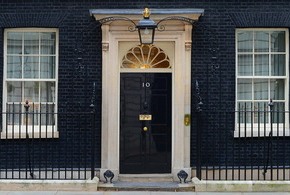
Mayors across England will be able to make the most important planning decisions.
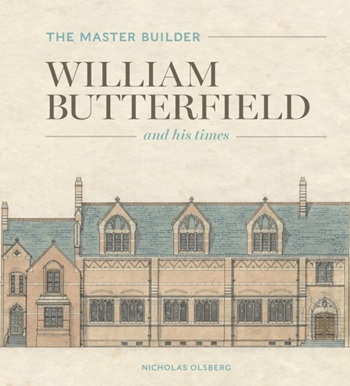
The Master Builder: William Butterfield and his times. Book review.

Why construction can't afford to ignore the skills gap.
Building Safety Regulator, 19 August

Gill Kernick appointed Independent Chair of Residents’ Panel.
Connecting knowledge, technology and conservation
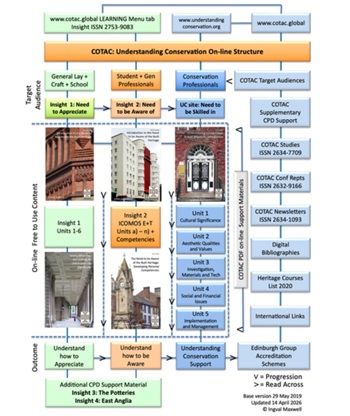
Building competence for the future of built heritage.
Building Regulations and Building Safety Act
CIOB publishes free advice for non-domestic clients.
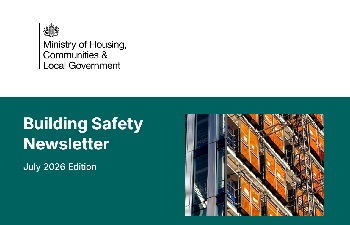
Building Safety Newsletter from MHCLG.
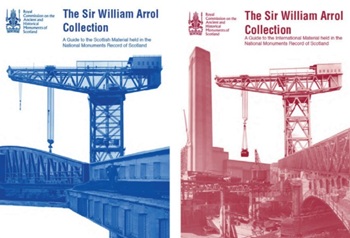
An extraordinary record of steel engineering worldwide.
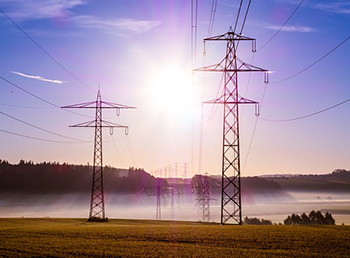
Households living near new pylons to save on bills.

ECA warns growth must not outpace grid capacity or skills.
The role of the client and decision making

CIOB response to built environment professions call for evidence.
Construction's sustainability reporting revolution
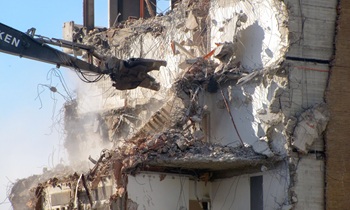
Tracking upfront embodied carbon with digital tools.